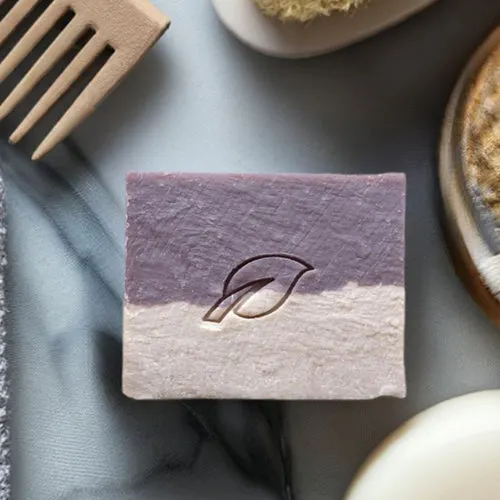
Natural Handmade SoapWhat it is, why it works, and how to choose the right one
Most commercial soap bars are not soap at all — they are synthetic detergents that strip the skin's natural barrier. This guide covers everything you need to know before switching: what handmade soap actually contains, how it's made, which type suits your skin, and where to find it in Kathmandu.
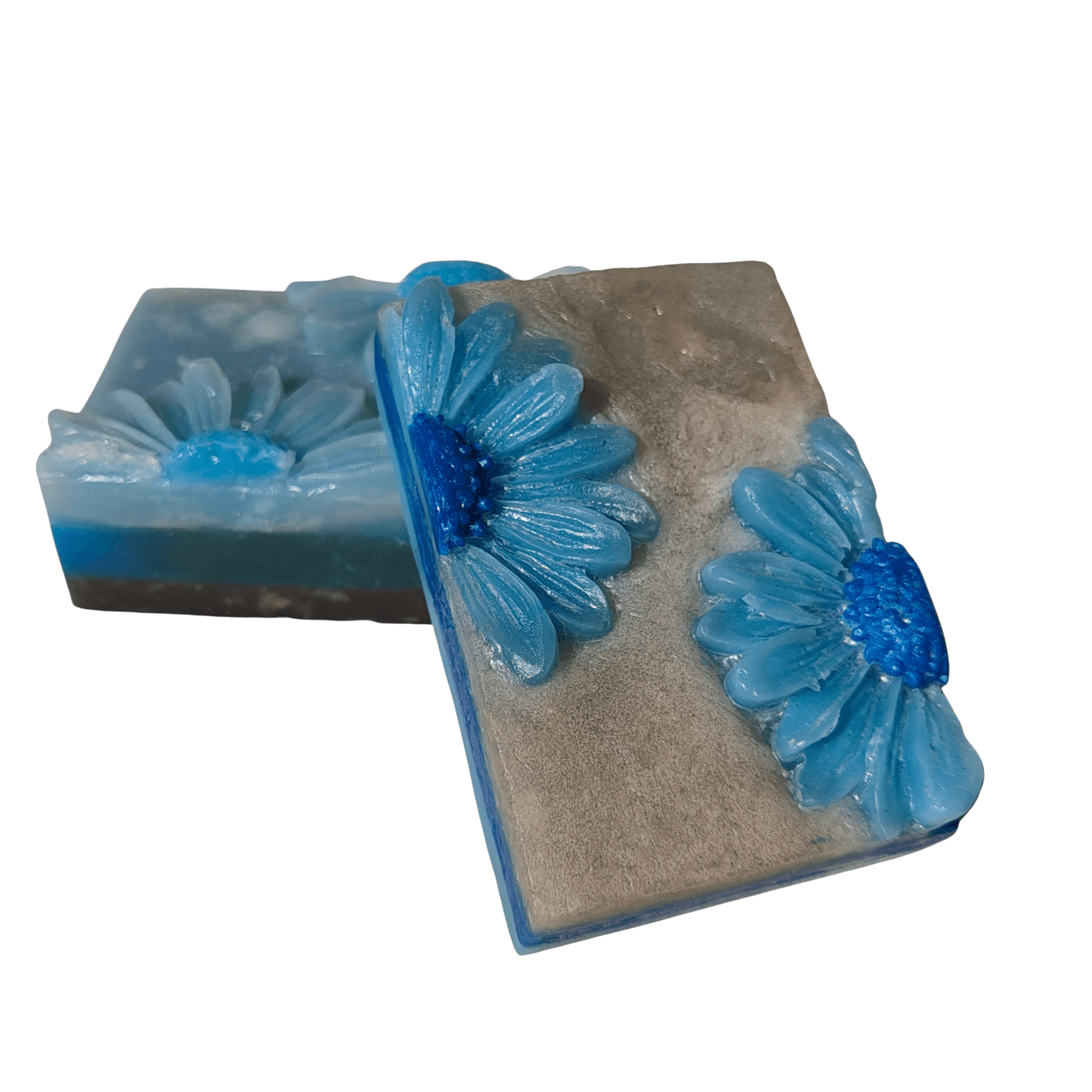
Natural handmade soap is made with plant-based oils, natural butters, and a small number of ingredients you can actually read on the label. Most commercial soap bars are not soap at all — they are classified as synthetic detergents, formulated with petroleum-based lathering agents and preservatives that strip the skin's natural barrier over time. This guide covers everything a Nepali buyer needs to know before switching: what handmade soap actually contains, how it's made, which type suits your skin, and where to find it in Kathmandu.
What Makes Handmade Soap Different From the Bar in a Supermarket?
Most commercial soap bars are legally classified as synthetic detergents, not soap. The difference matters because detergents work by stripping oils off surfaces, including your skin, while traditional soap made with plant oils preserves more of the skin's natural moisture barrier. That's why many people who switch to handmade soap notice their skin feels less tight and dry after washing.
What commercial soap actually contains
- Sodium lauryl sulfate (SLS) or SLES: petroleum-derived detergents that create lather but strip skin oils aggressively.
- Parabens: synthetic preservatives that extend shelf life.
- Synthetic fragrance (parfum): a catch-all term that can include dozens of undisclosed chemical compounds, some of which are known skin irritants.
- Glycerin removal: during commercial soap making, the natural glycerin that forms in the process is extracted and sold separately to the cosmetics industry. Natural handmade soap retains all of its glycerin, which is a natural humectant that draws moisture to the skin.
What natural handmade soap contains instead
- Plant-based oils: olive oil, coconut oil, castor oil, sunflower oil, and shea butter are common bases.
- Lye (sodium hydroxide): the alkali that reacts with oils in the saponification process. No lye remains in the finished soap once curing is complete.
- Natural additives: clays, herbs, botanical powders, essential oils, and natural colorants.
- Retained glycerin: stays in the bar, contributes to the soft, moisturising feel that distinguishes handmade soap.
The Benefits of Switching to Natural Handmade Soap
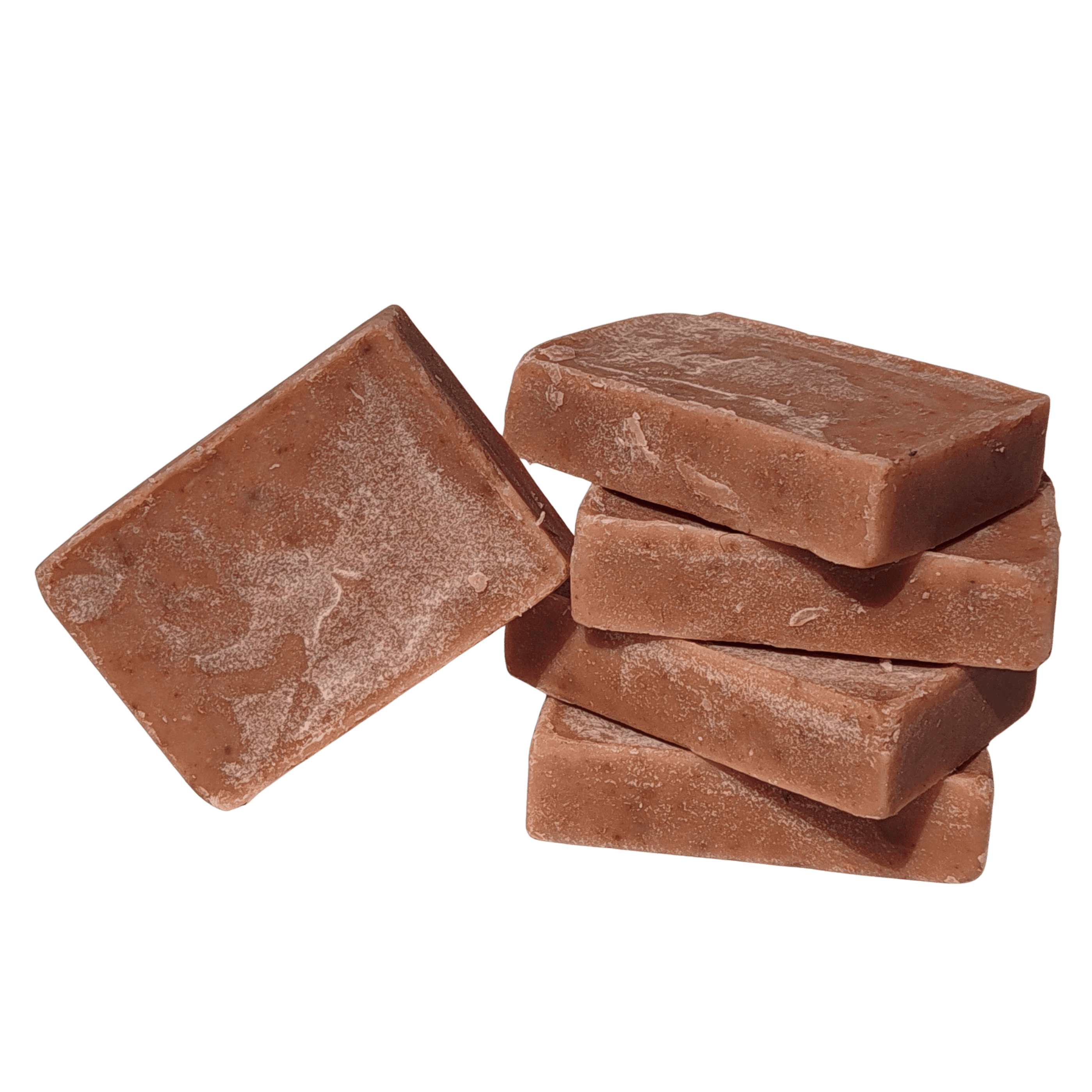
The most consistent thing people notice after switching to natural handmade soap is that their skin stops feeling dry after washing. That's not a coincidence. Commercial detergent bars strip the skin's natural oil layer every wash; natural soap made with plant oils and retained glycerin does not. Over two to four weeks of consistent use, most people see a noticeable difference in how their skin feels day to day.
For skin health and hydration
- Retained glycerin acts as a humectant, drawing moisture from the air into the skin after washing.
- Plant oils (olive, shea, coconut) provide fatty acids that nourish the skin rather than strip it.
- The slightly higher pH of natural soap (around 9 to 10) is closer to traditional skin cleansing methods; this does not disrupt the skin barrier when the soap also contains conditioning oils.
For sensitive and reactive skin
- No synthetic fragrance means fewer trigger compounds for contact dermatitis.
- No SLS means less aggressive lather that disrupts the skin barrier.
- Clay-based bars are gentle enough for skin conditions like eczema and rosacea.
For the environment
- Plant-based soaps biodegrade completely without leaving persistent chemical residues in waterways.
- Minimal or zero plastic packaging compared to liquid soap in plastic bottles.
- Locally made soap eliminates the import logistics of commercial brands.
Key Ingredients in Natural Handmade Soap (And What Each Does)
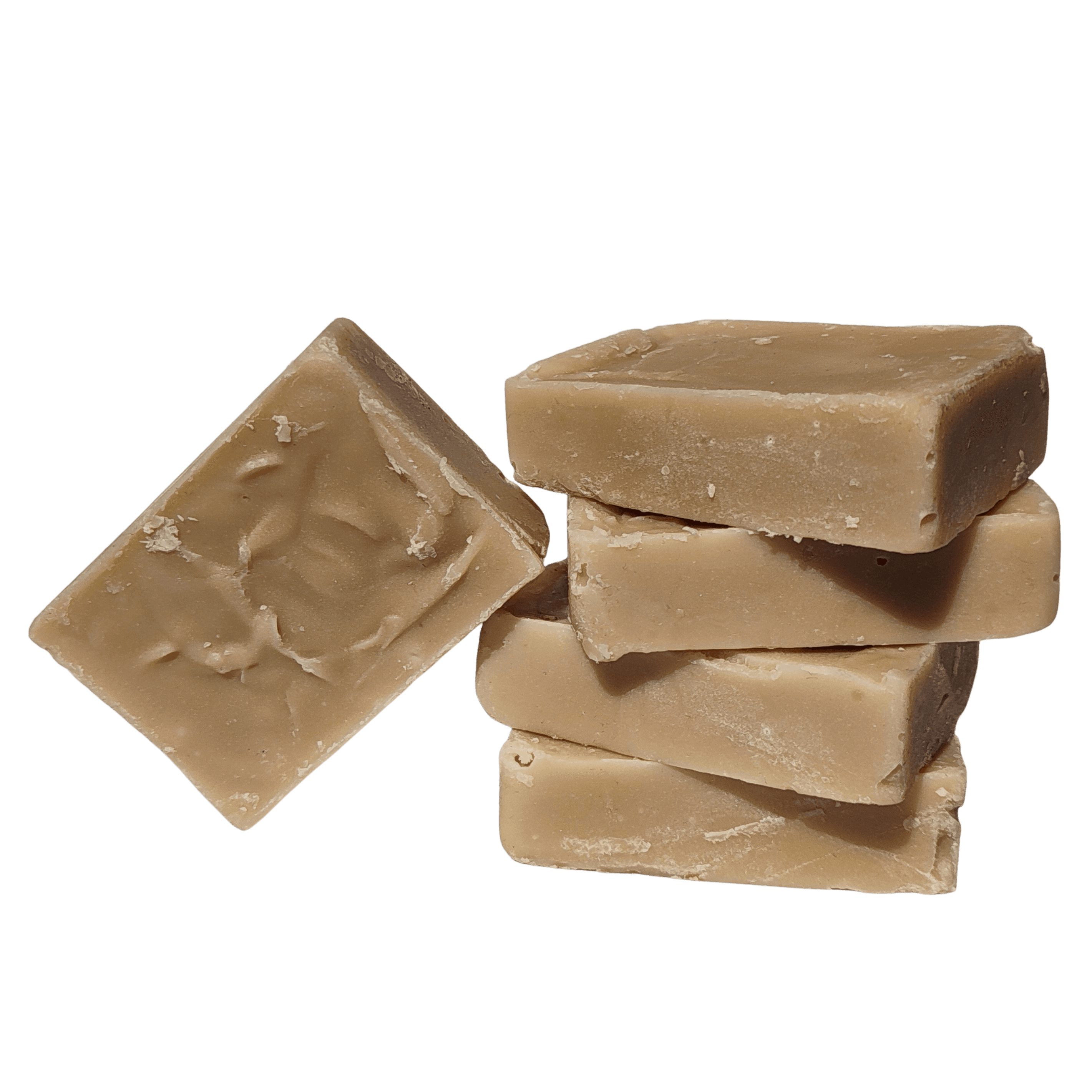
The ingredient list on a natural handmade soap bar is usually short: oils, lye, water, and a handful of natural additives. Each oil brings different properties to the finished bar. Knowing what you are looking at means you can choose a soap that actually suits your skin rather than just one that sounds natural.
Natural Additives
- Kaolin clay: gentle exfoliant, draws out impurities without stripping; good for sensitive skin.
- Activated charcoal: binds to dirt and excess oil; popular for oily and acne-prone skin.
- Oatmeal: soothing, anti-inflammatory; ideal for eczema and irritated skin.
Nepali botanicals in our formulations
- Neem (Azadirachta indica): grown widely in the Terai region; antibacterial and antifungal properties are well-documented.
- Turmeric (Besar): used in Nepali skincare traditions for centuries; anti-inflammatory and brightening.
- Himalayan salt: mild exfoliant with trace minerals; brine bars made with Himalayan salt have a different, harder texture.
- Rhododendron extract: native to Nepal's hill regions; strong antioxidant properties.
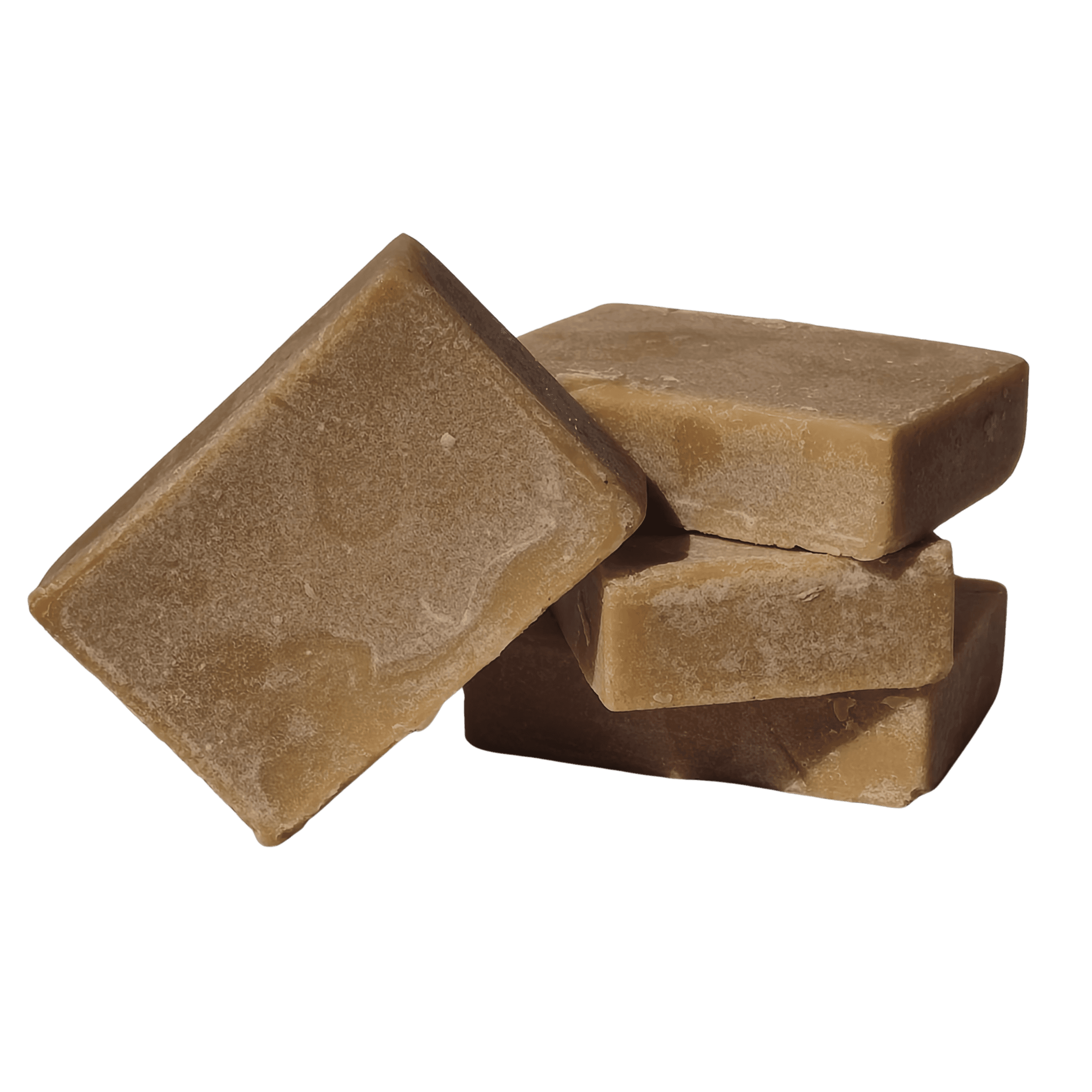
Choosing the Right Natural Soap for Your Skin Type
Not every natural soap works equally well for every skin type. The oil blend in the formula makes a big difference. Knowing what your skin needs makes it easier to pick the right bar.
| Skin Type | Signs | Best oils in soap | Additives to look for | Avoid |
|---|---|---|---|---|
| Sensitive | Redness, reacts to new products | Olive oil, shea butter | Oatmeal, kaolin clay, chamomile | Strong essential oils, charcoal |
| Dry | Tight after washing, flaky patches | Olive oil, shea butter, avocado oil | Honey, oatmeal, aloe vera | High-cleansing bars (high coconut) |
| Oily / acne-prone | Shiny by midday, prone to breakouts | Coconut oil, castor oil | Activated charcoal, neem, tea tree | Buttery or very conditioning bars |
| Combination | Oily T-zone, dry cheeks | Balanced formula: olive + coconut | Kaolin clay, lavender | Extremes in either direction |
| Eczema / irritated | Itchy patches, inflamed areas | Shea butter, calendula-infused oils | Colloidal oatmeal, fragrance-free | Any synthetic fragrance, high-alkaline |
How Natural Handmade Soap Is Made (Cold Process Explained)
Most natural handmade soap in Nepal is made using the cold process method. It starts with a blend of plant oils and a lye-water solution. When these two things combine, a chemical reaction called saponification converts the oils and lye into soap and glycerin. No external heat is applied during the mixing stage, and the soap then cures for three to six weeks before it is ready to use.
Why curing time matters
- Fresh soap straight from the mould has a pH of around 12 to 13, which is too alkaline for skin.
- After a full cure, pH typically drops to 9 to 10, which is mild enough for daily use.
- A longer cure also means a harder bar that lasts longer in the shower.
- This is why reputable handmade soap makers will never sell soap cured for less than three weeks.
How this differs from other methods
- Hot process soap: lye is cooked out using external heat; faster cure but rougher texture.
- Melt-and-pour soap: a pre-made soap base is melted and re-cast with additives; easier but the maker does not control the base formula or glycerin content.
- Cold process gives the maker the most control over every ingredient and the finished bar's performance.
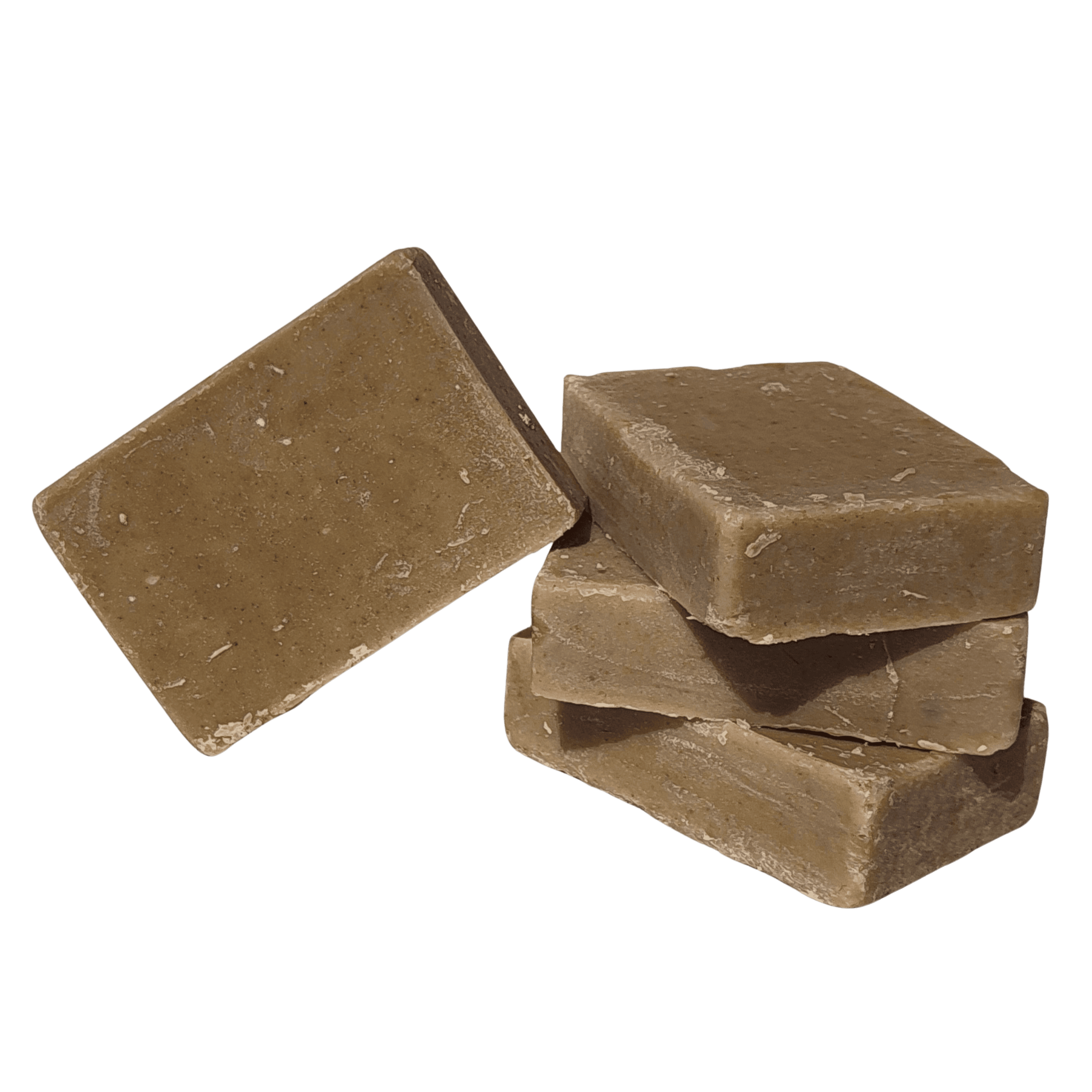
What Ingredients to Avoid in Soap (And Why They Are in Commercial Bars)
Commercial soap bars contain several categories of ingredients that are not in natural handmade soap. Most are there for practical manufacturing reasons: longer shelf life, consistent lather from batch to batch, lower production cost. Understanding what they are makes it easy to spot them on a label.
Sulfates (SLS and SLES)
SLS and SLES are petroleum-derived surfactants that produce dense foam. They clean by stripping oils from surfaces, including the skin's natural lipid layer. Frequent exposure is linked to increased skin barrier permeability and irritation in sensitive individuals.
Parabens
Methylparaben and propylparaben are the most common preservatives in commercial cosmetics. They prevent bacterial growth, extending shelf life to two or three years. Natural handmade soap does not need preservatives because the water activity is too low for bacterial growth once cured.
Synthetic fragrance (parfum)
"Parfum" on an ingredient list can legally represent a formula of dozens of undisclosed compounds. People with fragrance sensitivity often react to synthetic parfum but tolerate essential oils or fragrance-free products.
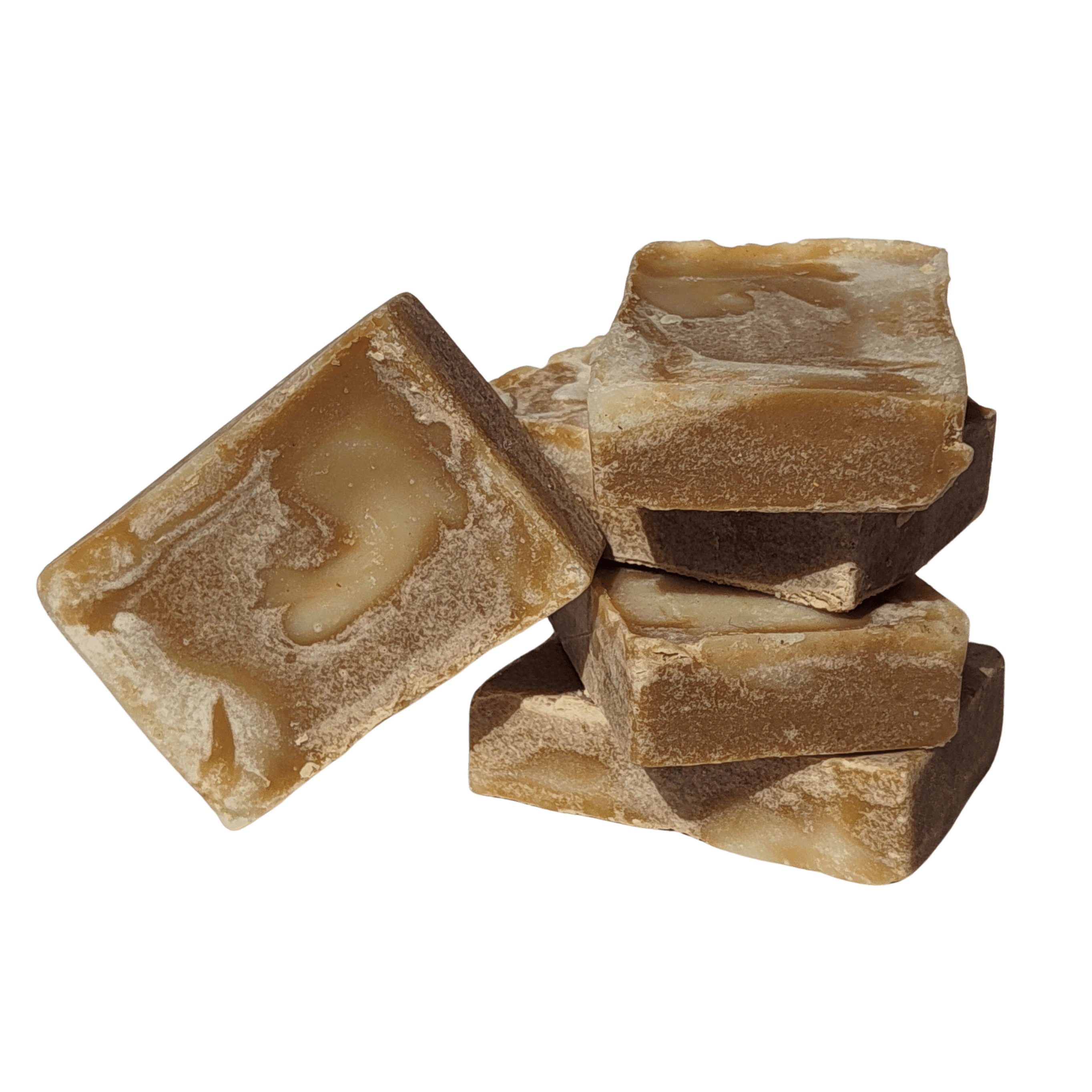
How to Store and Care for Handmade Soap
Handmade soap lasts well if you give it one thing: a chance to dry between uses. Glycerin-rich soap holds more water than commercial bars, which means it softens faster if left sitting in a puddle. A soap dish with drainage changes that completely. A dry bar between uses can last four to six weeks in regular daily use.
- Use a draining soap dish, not a flat dish that holds water.
- Keep out of direct shower spray when not in use; a shelf or ledge away from the main stream is ideal.
- Store unused bars in a cool, dry place out of direct sunlight.
- Cut larger bars in half if you only need one in use at a time; the unused half cures further and lasts longer.
- Shelf life of an unused bar: 12 to 18 months if stored in a cool dry place.
- A white powdery film (soda ash) on the surface of natural soap is harmless, wipes off easily, and has no effect on performance.
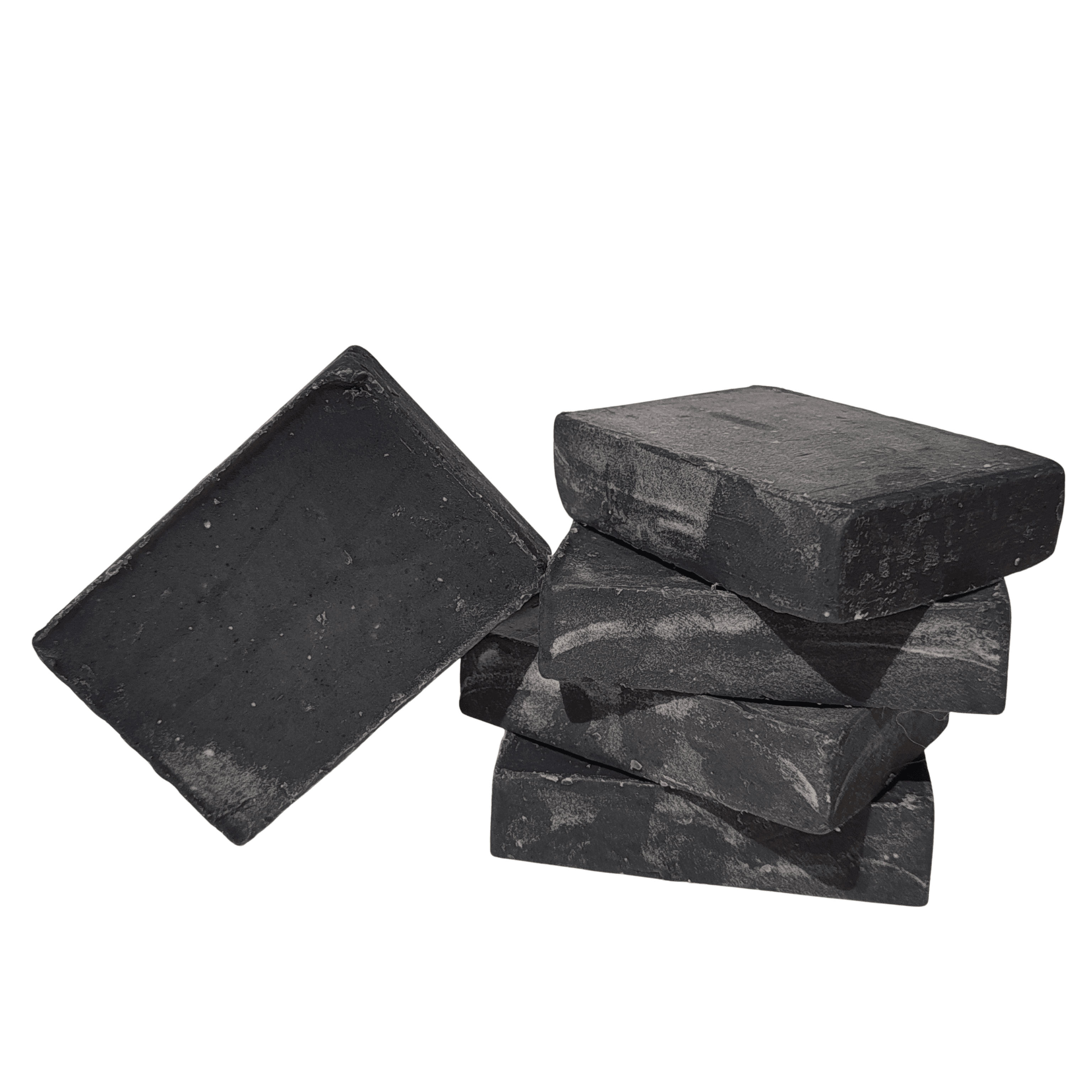
Where to Buy Natural Handmade Soap in Nepal
Natural handmade soap is not widely available in mainstream Nepali retail. Most mass-market pharmacies and supermarkets stock commercial detergent bars rather than true natural soap. The best options in Nepal are small local makers who sell directly, either online or through their own shop.
- Lunera Rituals makes and sells natural handmade soap in Kathmandu, available online with delivery across Nepal.
- Orders ship across Nepal via local courier; Kathmandu deliveries typically arrive within 1-2 days.
- Custom and bulk orders for gifting or events are available on request.
- The advantage of buying directly from the maker: you can ask about the exact ingredients and formulation for your skin type; no information is hidden behind a "parfum" catch-all.
Frequently Asked Questions
Ready to Make the Switch?
Experience the difference of small-batch, handmade soap made with natural plant oils, rich butters, and Nepali botanicals.
Shop Natural Soaps